Vacuum Sealer Bags: Embossed, Smooth or Shrink?
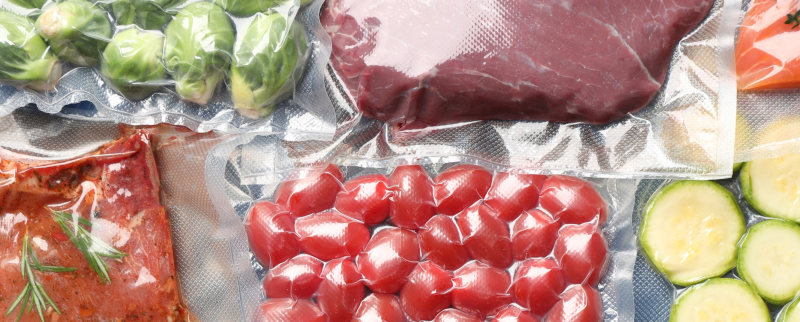
Embossed or smooth vacuum bags? For food preservation or sous vide cooking? Not all vacuum sealer bags are designed for the same purpose. Choosing the wrong type can make vacuum sealing difficult or result in packaging that is unsuitable for your intended application.
Whether you are a chef, caterer or home cook, three factors will help you make the right choice: your vacuum sealer, how you intend to use the bags and their technical specifications. Here are the key differences to understand before buying.
The essentials at a glance
Embossed vacuum bags are particularly suitable for external suction vacuum sealers. Smooth vacuum bags are used with chamber vacuum sealers. For sous vide cooking, the bags must also be designed to withstand the intended cooking temperatures and durations.
1. Embossed, smooth or shrink vacuum bags: what is the difference?
It is important to distinguish between the structure of a vacuum bag (embossed or smooth) and its intended use (food storage, freezing or cooking). Depending on its material and the manufacturer's specifications, the same type of bag may be suitable for several applications.
| Type of vacuum bag | Compatible vacuum sealer | Main applications |
|---|---|---|
| Embossed | External suction and chamber vacuum sealers | Food storage, freezing and cooking if the bag is approved for this purpose. |
| Smooth | Chamber vacuum sealer only | Food storage, freezing and cooking, depending on the bag's specifications. |
| Sous vide cooking | External suction if embossed; chamber vacuum sealer if smooth | Sous vide cooking within the manufacturer's specified temperature and time limits. |
| Shrink (smooth) | Chamber vacuum sealer only | Cooking and heat shrinking around the food, according to the manufacturer's specifications. |
Exact compatibility always depends on the specifications of both the bag and the vacuum sealer.
2. Embossed vacuum bags: ideal for external suction vacuum sealers
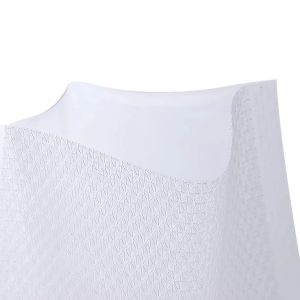
Easy to recognise by their textured surface, embossed vacuum bags feature small channels that allow air to be extracted efficiently. They are particularly suitable for external suction vacuum sealers, commonly used by home cooks and smaller professional kitchens.
These bags can be used for a wide range of foods, including meat, fish, vegetables and cheese. Depending on their composition, they may be suitable for refrigeration, freezing and sous vide cooking.
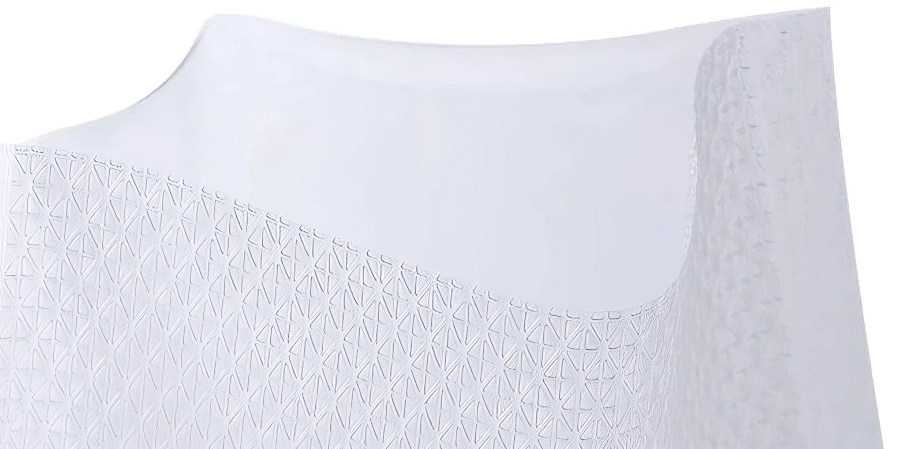
The embossed surface creates channels that allow air to escape during vacuum sealing.
3. Smooth vacuum bags: a popular choice for professional kitchens
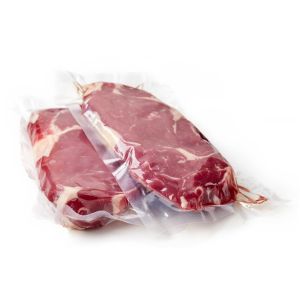
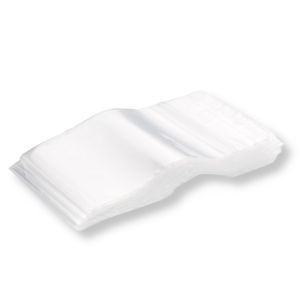
Smooth vacuum bags have two flat surfaces. They are mainly used with chamber vacuum sealers, widely found in restaurants, catering businesses and professional food preparation facilities.
A chamber vacuum sealer removes air from the entire chamber, allowing smooth bags to be sealed without the need for an embossed surface. Available in many sizes and thicknesses, these bags are suitable for various food preservation and cooking applications.
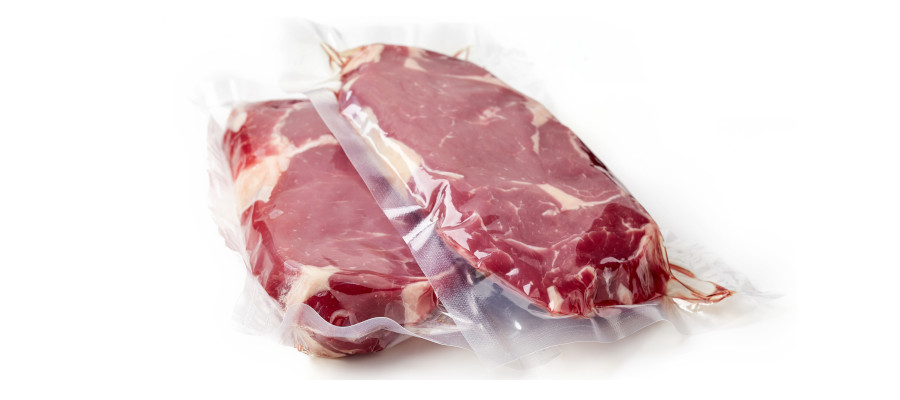
Smooth vacuum bags are widely used in professional kitchens.
Sous Vide Consulting's advice
If you use a chamber vacuum sealer, smooth bags are generally the most economical option. Embossed bags can also work, but their textured surface offers no particular advantage with this type of machine.
4. Sous vide cooking bags: designed for heat
A food-safe vacuum bag is not necessarily suitable for cooking. The requirements for refrigerated food storage are very different from those for cooking food in a hot water bath over an extended period.
Vacuum bags specifically designed for sous vide cooking are made from materials suitable for defined temperature and time conditions. These limits should always be checked in the manufacturer's technical specifications, especially for long cooking processes at low temperatures.
Important distinction
Labels such as "food contact safe", "BPA-free" or "freezer-safe" do not automatically mean that a bag is suitable for cooking. Always check the manufacturer's approved conditions of use.
5. Shrink vacuum bags: a special type of smooth bag
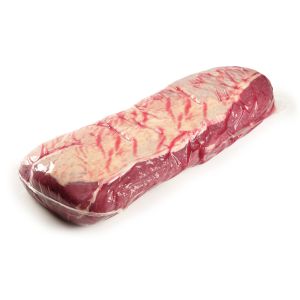
Less familiar to home cooks, shrink vacuum bags are smooth vacuum bags developed for specific packaging and cooking applications.
Their main feature is their ability to shrink when exposed to heat. The bag fits more closely around the food, which can improve presentation and reduce the space between the product and its packaging.
Some models are only 50 microns thick. This does not necessarily mean that they are inferior to conventional 80- or 90-micron bags: their material composition is specifically designed for their intended use.
Good to know
Shrink vacuum bags are used with compatible chamber vacuum sealers. The shrinking process and cooking conditions must follow the manufacturer's instructions.
6. Which thickness should you choose: 50, 80 or 90 microns?
The thickness of a vacuum bag is measured in microns (µm). It influences the bag's mechanical strength but does not, on its own, determine whether it is suitable for sous vide cooking.
Common examples include 90-micron bags for food storage, 80-micron bags for certain cooking applications and 50- to 60-micron shrink bags. These figures are indicative rather than universal standards, as the material composition is equally important.
For foods containing bones, sharp edges or protruding parts, the risk of puncturing the bag should also be considered. Additional protection may sometimes be necessary.
7. How do you choose the right vacuum bag size?
A bag that is too small makes filling difficult and can compromise the quality of the seal. An unnecessarily large bag, on the other hand, increases material consumption and the cost per portion.
Choose a size that fits the food while leaving enough space for a clean, reliable seal. For professionals preparing standard portions, keeping several bag sizes available can save time and reduce waste.
8. Food safety: what should you check?
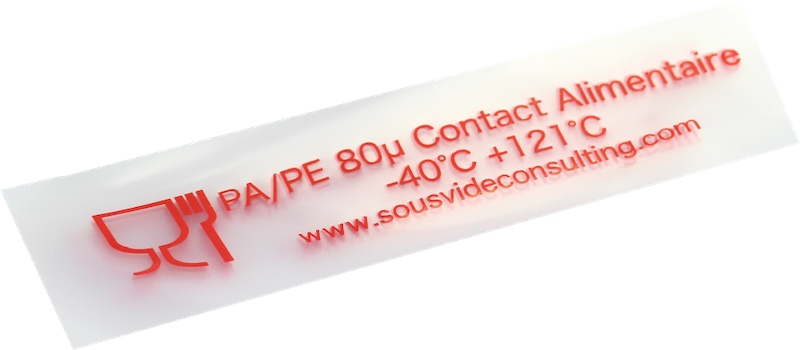
In Europe, materials intended to come into contact with food must comply with specific regulations. For plastic food contact materials, Regulation (EU) No 10/2011 forms part of the applicable legal framework, together with its amendments and other relevant food contact requirements.
Before purchasing vacuum bags, it is therefore important to check their technical specifications and ensure that they are suitable for the intended application.
Five things to check before buying
- Compatibility: chamber or external suction vacuum sealer.
- Application: food storage, freezing or cooking.
- Temperature: limits specified by the manufacturer.
- Dimensions: appropriate size for the food and machine.
- Food safety: documented compliance and conditions of use.
9. Does vacuum sealing extend food shelf life?
By reducing the amount of air surrounding food, vacuum sealing helps limit certain oxidation processes. It can preserve the sensory qualities of many products and reduce the risk of freezer burn.
However, vacuum sealing does not sterilise food. Some bacteria can grow in the absence of oxygen, making proper storage temperatures and food hygiene practices essential.
Food safety reminder
Vacuum sealing never replaces proper refrigeration. Storage times and conditions must be adapted to the food and the applicable food safety requirements.
10. Further reading: our guides and vacuum bags
Would you like to explore the subject in more detail or discover the available bag sizes? Two pages on our website complement this comparison:
Our vacuum bag range: discover embossed, smooth, storage and cooking bags in our food vacuum bag catalogue.
Our technical guide: learn more about vacuum sealing methods and equipment in our guide to vacuum sealers and sous vide cooking bags.
Frequently asked questions about vacuum bags
Answers to common questions to help you choose the right vacuum sealer bags.
What is the difference between embossed and smooth vacuum bags?
The main difference is their surface. Embossed bags have channels that help extract air, while smooth bags have two flat sides. Embossed bags are particularly suitable for external suction vacuum sealers, whereas smooth bags are used with chamber vacuum sealers.
Are shrink vacuum bags embossed or smooth?
Shrink vacuum bags are smooth bags. They are designed to shrink around the food when exposed to heat, under the conditions specified by the manufacturer.
Can you use food storage vacuum bags for sous vide cooking?
Only if the manufacturer explicitly approves them for cooking at the intended temperatures and durations. A vacuum bag designed for food storage is not automatically suitable for sous vide cooking.
Is a 90-micron vacuum bag better than an 80-micron bag?
Not necessarily. Thickness is only one factor. The material composition and intended application are equally important.
Can you freeze food in vacuum sealer bags?
Yes, provided the bags are suitable for freezing. Vacuum sealing can help reduce freezer burn, but normal freezing and food storage requirements still apply.
Conclusion: which vacuum sealer bags should you choose?
Choosing the right vacuum bag comes down to two essential factors: compatibility with your vacuum sealer and the intended application. Thickness, dimensions and material composition will then help you refine your selection.
Since 2009, Sous Vide Consulting has supported professional kitchens in selecting sous vide cooking equipment and accessories. Our range includes vacuum bags manufactured in Germany for various food preservation and cooking applications.
Discover our professional vacuum sealer bags
Embossed, smooth, food storage and sous vide cooking bags: explore our selection and find the right sizes for your needs.
Explore our vacuum bag rangeThe Sous Vide Consulting Team