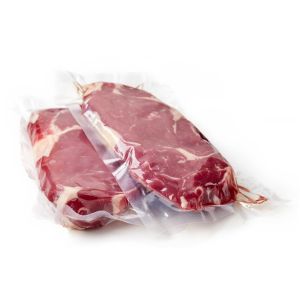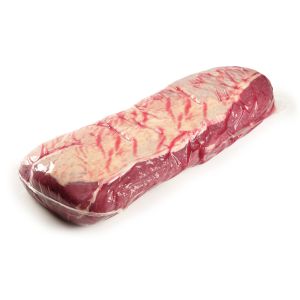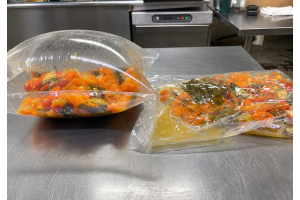
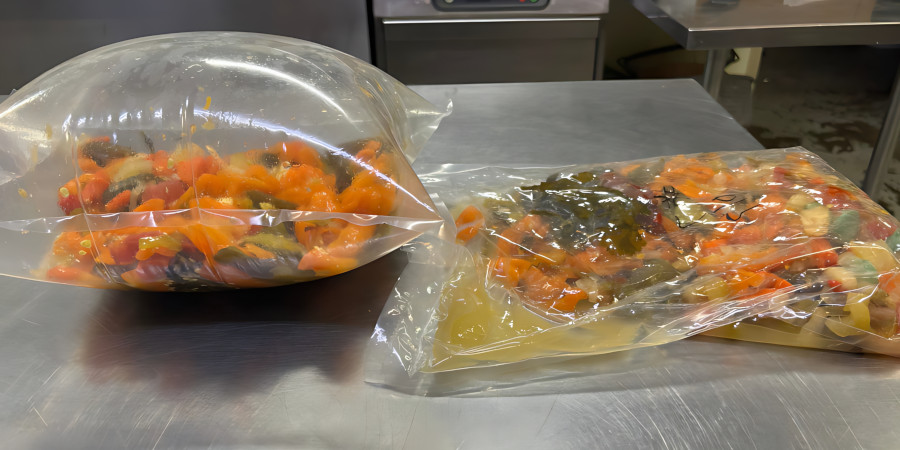
During high-temperature sous vide cooking, a vacuum bag that initially fits tightly around the food may begin to swell or inflate. This is particularly common with certain vegetables, foods with a high water content and ingredients containing air within their tissues. The swelling can interfere with cooking and, in extreme cases, cause the bag to leak or burst.
To understand why this happens, it is important to distinguish between several physical processes and to know which precautions to take during vacuum packaging and cooking.
Why do sous vide cooking bags swell?
A sous vide cooking bag can swell even when the food has been vacuum-packed correctly. This does not necessarily indicate a defect in the plastic or the seal. In most cases, swelling results from residual air, gases released by the food or water vapour generated during heating.
Expansion of residual air
When a small amount of air remains trapped inside the bag, it expands as the temperature rises. The bag, which initially fits tightly around the food, gradually begins to lift away from its surface.
This expansion becomes more noticeable at higher cooking temperatures. An air pocket that is barely visible when cold can become much larger during cooking at temperatures approaching 100°C.
Gases naturally present in food
Many foods contain dissolved gases or air trapped within their cells, fibres and internal cavities. As the food heats up, some of these gases are released and accumulate inside the bag.
This explains why certain ingredients can cause a bag to swell despite satisfactory initial vacuum packaging. Air trapped deep inside the food cannot always be completely removed during the vacuum process.
Water vapour and volatile ingredients
Foods with a high water content can also contribute to bag swelling. As the cooking temperature increases, particularly when approaching 100°C, the formation of water vapour can increase the volume of gas pockets inside the bag and make the swelling more pronounced.
Ingredients containing alcohol also require special attention. Wine, for example, should preferably be reduced before being added to a preparation intended for sous vide cooking. This helps remove some of the alcohol and volatile compounds before vacuum packaging.
Key point: a bag that swells during cooking is not necessarily defective. The swelling may be caused by residual air, gases released by the food or water vapour.
Which foods are most likely to make sous vide bags swell?
Vegetables with a high water content, such as beetroot, courgettes, aubergines, peppers, tomatoes and spinach, are among the ingredients most likely to cause swelling. Their water content and the gases present within their tissues can encourage the formation of gas pockets during cooking.
Some fruits, particularly apples, pears and berries, have similar characteristics. Their behaviour depends on their structure, ripeness and cooking temperature.
Foods with a porous structure can also retain significant amounts of air. Examples include certain vegetables such as artichokes, some meats, fish and stuffing-based preparations. Even a strong vacuum may not completely remove the air trapped deep within these products.
Preparations rich in fat, such as foie gras, may trap air bubbles during preparation or packaging. These bubbles can subsequently expand during cooking.
Meat containing bones, particularly certain poultry cuts, may retain air within internal cavities and structures. Similarly, meat that has been heavily seared before vacuum packaging may develop a crust that makes it more difficult to remove air from certain areas of the flesh.
These examples show that bag swelling depends not only on the quality of vacuum packaging but also on the internal structure of the food.
The importance of effective vacuum packaging
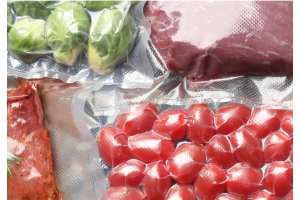
Effective vacuum packaging is one of the best ways to reduce bag swelling during sous vide cooking. The less residual air remains inside the bag, the less air there is to expand as the temperature rises.
Professional chamber vacuum packaging machines generally provide a high and consistent vacuum level. They are particularly suitable for packaging moist foods or ingredients that are difficult to degas.
Adjust the vacuum level
For foods that are sufficiently firm, increasing the vacuum level can help remove more air. However, the texture and fragility of the product must be considered. Excessive vacuum may crush delicate foods or cause liquids to boil as the pressure inside the chamber decreases.
The objective is therefore not to use the maximum vacuum setting in every situation, but to find the best balance between air removal and preservation of the food's structure.
Use several degassing cycles when appropriate
Some foods contain air trapped deep within their tissues. In these cases, several vacuum cycles may improve degassing, provided the machine and the product are suitable for this procedure.
Certain professional machines also offer a pause function during the vacuum cycle. Maintaining the reduced pressure for a short period allows additional time for gases to escape before the bag is sealed.
Check that the vacuum machine is working correctly
If large air pockets regularly remain inside bags after packaging, check the machine settings, pump condition, maintenance and seal quality.
A poorly performing pump, insufficient maintenance or incorrectly calibrated vacuum measurement system can reduce packaging efficiency.
Professional tip: before cooking, check that the bag fits closely around the food and that no air bubbles are visible. Effective vacuum packaging promotes more consistent heat transfer during cooking.
How can you prevent sous vide bags from swelling or bursting?
Even high-quality vacuum packaging cannot always prevent swelling. Additional precautions can be taken depending on the type of food and the cooking conditions.
Blanch or pre-cook certain vegetables
Blanching or appropriate pre-cooking can help remove some of the air and gases contained in certain vegetables. This preparation can be particularly useful for products that swell significantly when cooked directly sous vide.
When foods are pre-cooked before vacuum packaging, appropriate cooling and hygiene procedures must always be followed.
Adjust the cooking temperature
For certain vegetable preparations, cooking at around 85–90°C may reduce swelling compared with cooking close to 100°C. Lower temperatures generally reduce the effects associated with water vapour and gas expansion.
However, this temperature range should not be considered a universal rule. Cooking time and temperature must always be adapted to the food, the desired texture and food safety requirements.
Avoid overfilling the bags
An overfilled bag is more difficult to vacuum-pack correctly. Leave sufficient space around the food so that the plastic can fit closely against its surface and a reliable seal can be produced.
As a general guideline, approximately 2–3 cm can be left between the bottom of the bag and the food, together with a sufficiently wide, clean sealing area. These dimensions are indicative; the recommendations of the vacuum machine and bag manufacturers should always take priority.
Juices, fat or food particles on the sealing area may compromise the seal and increase the risk of leakage during cooking.
Choose bags specifically designed for cooking
Not all vacuum bags are designed to withstand the same temperatures or heating times. For cooking at temperatures approaching 100°C, it is essential to select vacuum pouches specifically designed for sous vide cooking and follow the temperature and time limits specified by the manufacturer.
A high-quality bag, correctly sealed and suitable for the intended cooking temperature, reduces the risk of rupture. However, it cannot prevent gases from being released naturally by the food.
Important: if a bag becomes severely distorted, starts leaking or shows signs that its seal may fail, stop cooking and assess the safety of the preparation.
How does bag swelling affect cooking and food safety?
A swollen bag can affect cooking consistency. When a gas pocket forms between the food and the plastic, it reduces direct thermal contact with the surrounding water bath. Heat transfer becomes less efficient in that area, potentially slowing the rise in the food's internal temperature.
If swelling becomes significant, the bag may also float. Part of the food may then remain above the water surface, preventing uniform cooking.
Swelling during cooking does not necessarily mean contamination
It is important to distinguish between swelling that occurs during high-temperature cooking and swelling that develops during storage.
In the first case, the phenomenon may have a purely physical explanation: air expansion, gas release or water vapour. Swelling alone is therefore not proof of microbiological contamination.
However, a bag that swells during storage, before cooking or after cooling should be treated with considerable caution. Microbial activity can sometimes produce gases that cause packaging to swell.
It is also important to remember that the absence of swelling does not guarantee that food is microbiologically safe. Some harmful microorganisms can develop without producing visible gas.
Food safety: if unexplained swelling occurs during storage, the bag loses its seal or there is any doubt about storage conditions, do not consume the product. Correct cooking temperatures, cooking times, cooling procedures and cold-chain management remain essential.
Frequently asked questions about swollen sous vide bags
Why does a sous vide bag swell or inflate during cooking at 90°C or 100°C?
Swelling is mainly caused by the expansion of residual air, gases released by the food and water vapour. These effects generally become more pronounced as the cooking temperature increases.
Can a sous vide cooking bag burst?
Yes. If swelling becomes excessive, pressure and mechanical stress on the bag and its seal may cause leakage or rupture. The risk depends on the strength of the bag, the quality of the seal and the cooking conditions.
Why do vegetables make sous vide bags swell?
Some vegetables contain large amounts of water and air trapped within their tissues. During cooking, they may release gases that accumulate inside the bag. Appropriate blanching or degassing can help reduce this effect.
Will a stronger vacuum prevent bag swelling?
A stronger vacuum can reduce residual air and therefore limit swelling. However, it cannot completely prevent gases trapped within the food from being released during cooking.
Can a swollen sous vide bag slow down cooking?
Yes. A gas pocket between the bag and the food reduces heat transfer from the water bath. If the bag floats, part of the food may also become insufficiently immersed, affecting cooking consistency.
Should food be discarded if its bag swells during cooking?
Not necessarily. Swelling during heating can have a physical cause. However, the integrity of the bag and the control of the cooking process must be checked. If the bag leaks, unexplained swelling develops during storage or food safety is uncertain, the product should not be consumed.
Conclusion
Swelling of sous vide cooking bags can occur with many different foods, particularly during high-temperature cooking. It is most often caused by residual air expansion, gases released from the food or water vapour.
The best prevention involves effective vacuum packaging, appropriate degassing when necessary, choosing a suitable cooking temperature and using bags designed for the intended heating conditions.
These precautions help reduce the risk of swelling or bursting while promoting more consistent cooking results. They must always be combined with good hygiene practices and appropriate food safety procedures.